Up Arizona » Sunset Crater-Wupatki National Monument Prev Next Slideshow

 Previous image  Next image  Index page
DSC02104
IMG_0843
IMG_0844
IMG_0845
DSC02116
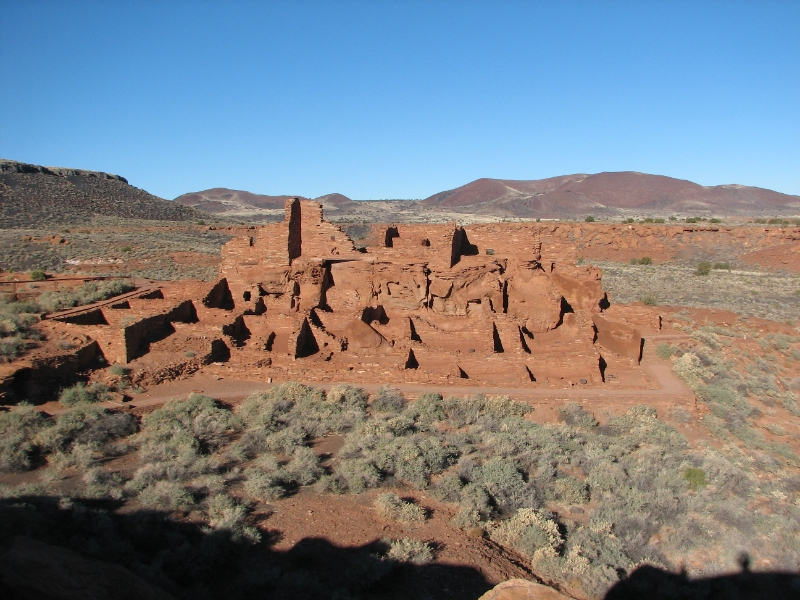
  IMG_0846.JPG - Wupatki National Monument - Less than 800 years ago, Wupatki Pueblo was the largest pueblo around. It flourished for a time as a meeting place of different cultures. Its many settlement sites are scattered throughout the monument and were built by ancestors of the Hopi, Zuni, and other puebloan peoples of today.   Archeologists recognize different cultural traditions based on differences in pottery styles and architecture. According to these classifications, most of the monument?s sites are called Kayenta Ancestral Puebloan; others are Cohonina, and Sinagua.  Wupatki was first inhabited around 500CE. A major population influx began soon after the eruption of Sunset Crater in the 11th century, which blanketed the area with volcanic ash and improved agricultural productivity. By 1182, about 85 to 100 people lived at Wupatki Pueblo and by 1225, the site was permanently abandoned.  
DSC02117
IMG_0847
IMG_0849
IMG_0850
IMG_0851

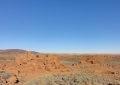
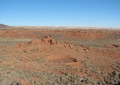
Wupatki National Monument - Less than 800 years ago, Wupatki Pueblo was the largest pueblo around. It flourished for a time as a meeting place of different cultures. Its many settlement sites are scattered throughout the monument and were built by ancestors of the Hopi, Zuni, and other puebloan peoples of today.

Archeologists recognize different cultural traditions based on differences in pottery styles and architecture. According to these classifications, most of the monument?s sites are called Kayenta Ancestral Puebloan; others are Cohonina, and Sinagua.

Wupatki was first inhabited around 500CE. A major population influx began soon after the eruption of Sunset Crater in the 11th century, which blanketed the area with volcanic ash and improved agricultural productivity. By 1182, about 85 to 100 people lived at Wupatki Pueblo and by 1225, the site was permanently abandoned.
Download
Total images: 20 | Help